
Start Here: 10 Kitchen Basics Every Home Cook Should Know
Quick answer: the ten essentials are (1) basic knife skills, (2) mise en place, (3) seasoning and taste, (4) heat control for stovetop cooking, (5) measuring and conversions, (6) one-pan sautéing, (7) roasting and baking fundamentals, (8) simple stocks and sauces, (9) food storage and safety, and (10) basic meal timing and planning. Mastering these will let you follow most recipes confidently and make simple adjustments on the fly.
Who this post is for — and what you'll be able to do
This guide is for absolute beginners and home cooks who feel unsure about the basics. After reading and trying the short practice drills, you should be able to: follow common recipes without panic, safely handle basic equipment, season food with confidence, and plan simple meals for the week.
Before we dive in: this article focuses on practical skills and safe techniques. For medical or specialized dietary guidance, consult a registered dietitian. For food-safety standards, rely on authoritative sources such as USDA Food Safety and the FDA.
10 Kitchen Basics — with 1–3 minute drills
-
Knife skills
Why it matters: Faster, safer prep and more consistent cooking. Key moves: the claw grip and simple slicing techniques for onions, carrots, and herbs.
Common mistakes: gripping the tip, using a dull blade, or cutting on an unstable surface.
1–3 minute drill: practice the claw and straight slices: hold a carrot and remove one end, then slice straight across 8–10 times using the claw on your guiding hand. Repeat with a soft herb like parsley, doing gentle rocking motions.
Tool tip: a 20–25 cm chef’s knife and a stable cutting board are all you need to start.
-
Mise en place (prep and organization)
Why it matters: Saves time, reduces stress, and prevents missed ingredients.

Photo by Ron Lach via Pexels Drill: before starting a recipe, measure and place all ingredients in small bowls or containers. Time: 2–3 minutes for a simple salad or scrambled eggs.
-
Seasoning and tasting
Why it matters: Proper seasoning makes food taste finished; salt and acid are the foundation.
Common misconception: more salt is often bad—learn to season incrementally and taste as you go.
Drill: make a small bowl of plain cooked potatoes or rice; add a pinch of salt and a squeeze of lemon to one portion and compare. Try adding salt in 1/8–1/4 teaspoon increments to learn impact.
-
Heat control on the stovetop
Why it matters: Temperature affects texture, color, and flavor. Learn low, medium, and high settings on your own stove.
Drill: heat a dry skillet for 30 seconds, add a drop of water—observe whether it sizzles vigorously (hot) or gently (medium). Repeat to map your stove’s settings.
-
Measuring and basic conversions
Why it matters: Baking needs precision; cooking benefits from consistent ratios.
Drill: practice measuring one cup of flour, then spoon & level; compare how packed vs. spooned changes volume. Learn teaspoon to tablespoon (3 tsp = 1 tbsp) and simple metric conversions (100 g ≈ 3.5 oz) for recipes you use often.
-
One-pan sautéing
Why it matters: A versatile method for proteins and vegetables that minimizes cleanup.
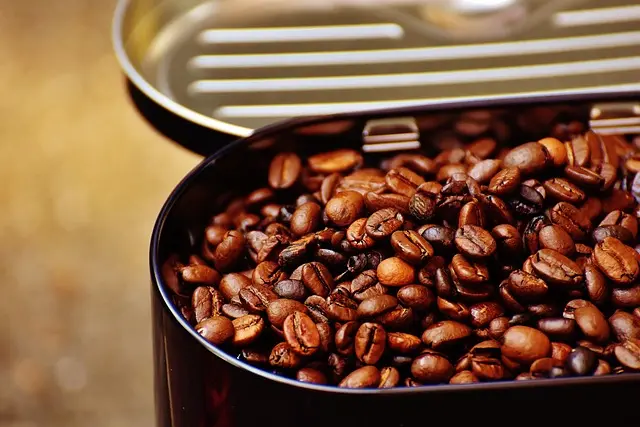
Photo by Alexas_Fotos via Pixabay Drill: heat a skillet on medium-high, add a splash of oil, then a handful of sliced zucchini or mushrooms. Spread in a single layer; let brown for 1 minute before stirring—observe color change and aroma.
-
Roasting and baking basics
Why it matters: Roasting concentrates flavor; baking uses dry heat consistently.
Drill: roast a small tray of chopped vegetables tossed with oil and salt at 425°F (use your oven’s equivalent); check after 15–20 minutes for browning and texture.
-
Simple stocks, sauces, and building flavor
Why it matters: A basic stock or pan sauce transforms simple ingredients into satisfying dishes.
Drill: after sautéing a piece of chicken, deglaze the pan with a splash of water or broth and a squeeze of lemon; scrape up brown bits to make a quick pan sauce.
-
Food storage and basic safety
Why it matters: Proper cooling, refrigeration, and reheating reduce spoilage and food-borne illness.
Tip: cool hot food slightly before refrigerating; store perishable cooked items within two hours. For detailed, authoritative safety limits check USDA Food Safety guidelines.
Drill: label one cooked container with the date and move it to the front of the fridge; practice a one-week rotation to use older items first.
-
Meal timing and simple planning

Photo by tiago alves via Pexels Why it matters: Scheduling what to start first prevents a cold main or overcooked sides.
Drill: pick a simple two-course dinner (roasted chicken and salad). Write a 20–minute timeline: oven first, prep veggies while chicken roasts, rest meat, then toss salad. Practice once to see timing gaps.
Common beginner mistakes (and how to avoid them)
- Relying on recipes word-for-word without tasting—taste early and often.
- Using dull knives—sharpen or hone regularly for safety and efficiency.
- Overcrowding pans—give ingredients room to brown.
- Skipping mise en place—prep saves time and prevents errors.
Next reads (topics to explore next)
- Beginner Knife Skills: step-by-step guide and practice videos
- How to Build Flavor: acids, salts, fats, and aromatics
- Easy Weeknight Meals: 20 recipes for new cooks
- Printable Kitchen Checklist and 2-Week Beginner Meal Plan
These pages expand individual skills listed above—link to them from this hub to build cluster depth.
Tools and printable starter kit (optional)
If you want a quick start, download our free printable starter kit: a one-page checklist of the 10 basics, a shopping list of affordable essentials, and a 2-week beginner meal plan. No sales pitch—just a time-saver. If you prefer to shop for tools, consider a well-reviewed chef’s knife, a sturdy cutting board, and a medium skillet—prioritize fit and weight over brand.
Note on recommendations: we list selection criteria and trade-offs rather than declaring a single "must-have" product.
What to do next
Pick two basics to practice this week (for example: knife skills and mise en place). Do the short drills each day and repeat a simple recipe that uses those skills. Track progress with the printable checklist and build confidence step-by-step.